

This post includes affilliate links.
Cash budgeting for families doesn’t have to be complicated to be effective. In fact, one of the simplest and most eye-opening ways I manage our spending is by using a weekly cash budget for food, coffee, and those quick meals we grab while juggling school, practices, and busy schedules.
For our family, I budget $120 in cash for the week to cover all miscellaneous eating outside the home. This is mostly my 3 children and me, but sometimes my husband when he is with us. This includes coffee before school, fast food between after-school activities, and the occasional convenience stop when life gets hectic. Groceries and planned meals are budgeted separately, this cash is strictly for the extras that tend to quietly drain our bank account.
Why Cash Budgeting Works for Families
When you swipe a card, it’s easy to lose track of how much you’re spending. Cash, on the other hand, creates instant awareness. You see it, touch it, and physically hand it over, which makes you pause before spending.
Cash budgeting helps families:
- Avoid impulse spending
- Stay mindful of daily choices
- Set clear limits
- Keep small purchases from turning into big problems
Those $5 coffees and $20 fast-food stops don’t seem like much until they add up. Cash puts a natural boundary in place.
Step 1: Set a Realistic Weekly Cash Budget
I start by choosing an amount that reflects our real life, not a perfect one. For us, $120 per week covers:
- Coffee and drinks
- Fast food between practices
- Snacks or quick meals on the go
Your number may look different depending on the size of your family and your schedule. If $120 feels like too much, start with $100. If you have teens or are constantly on the road, you may need more. The key is choosing a number you can stick to.
Step 2: Withdraw the Cash and Commit
At the beginning of the week, I withdraw $120 in cash. Once it’s gone, it’s gone, no refilling, no exceptions.
This step is crucial. The commitment is what makes the system work. When the cash runs out, we:
- Eat at home
- Make coffee at home
- Use what we already have
It forces better planning and smarter choices.
Step 3: Define What the Cash Is (and Isn’t) For
Being clear about categories keeps this system simple and stress-free.
The cash is for:
- On the eating out, but not a family dinner. We try and do a dinner out together every other week, or when we know we can squeeze in valuable intentional time together on the weekend.
- Coffee and drinks
- Quick meals and fast food between activities
The cash is NOT for:
- Groceries
- Gas
- Pre-planned meals
Those expenses are already accounted for in our monthly budget. Separating categories helps prevent overspending.
Step 4: Make It Visual and Involve the Kids
I keep the cash seperate and easy to grab. Sometimes I divide it by days, other times I keep it together, it depends on if my children will be with me during the week.
My kids know:
- How much we start with
- What the money is for
- That once it’s gone, it’s gone
Including them in the process has been one of the biggest benefits. They’re more thoughtful about asking for fast food and more aware of how money works in real life.
Step 5: Make Intentional Spending Choices
Cash budgeting naturally changes behavior.
- we are intentional with what we order
- choose water over drinks
- skip the drive-thru when we knowwe can wait for food at home
What I’ve Learned from Budgeting with Cash
After consistently using a weekly cash budget, I’ve noticed:
- We spend less overall
- We feel more in control
- We’re more intentional with money
Most importantly, I no longer wonder where our money went at the end of the week.
If you’re struggling with overspending on food, coffee, or convenience meals, try budgeting with cash for just one week. You don’t need a complicated system or fancy app, just a set amount and a commitment to stick to it.
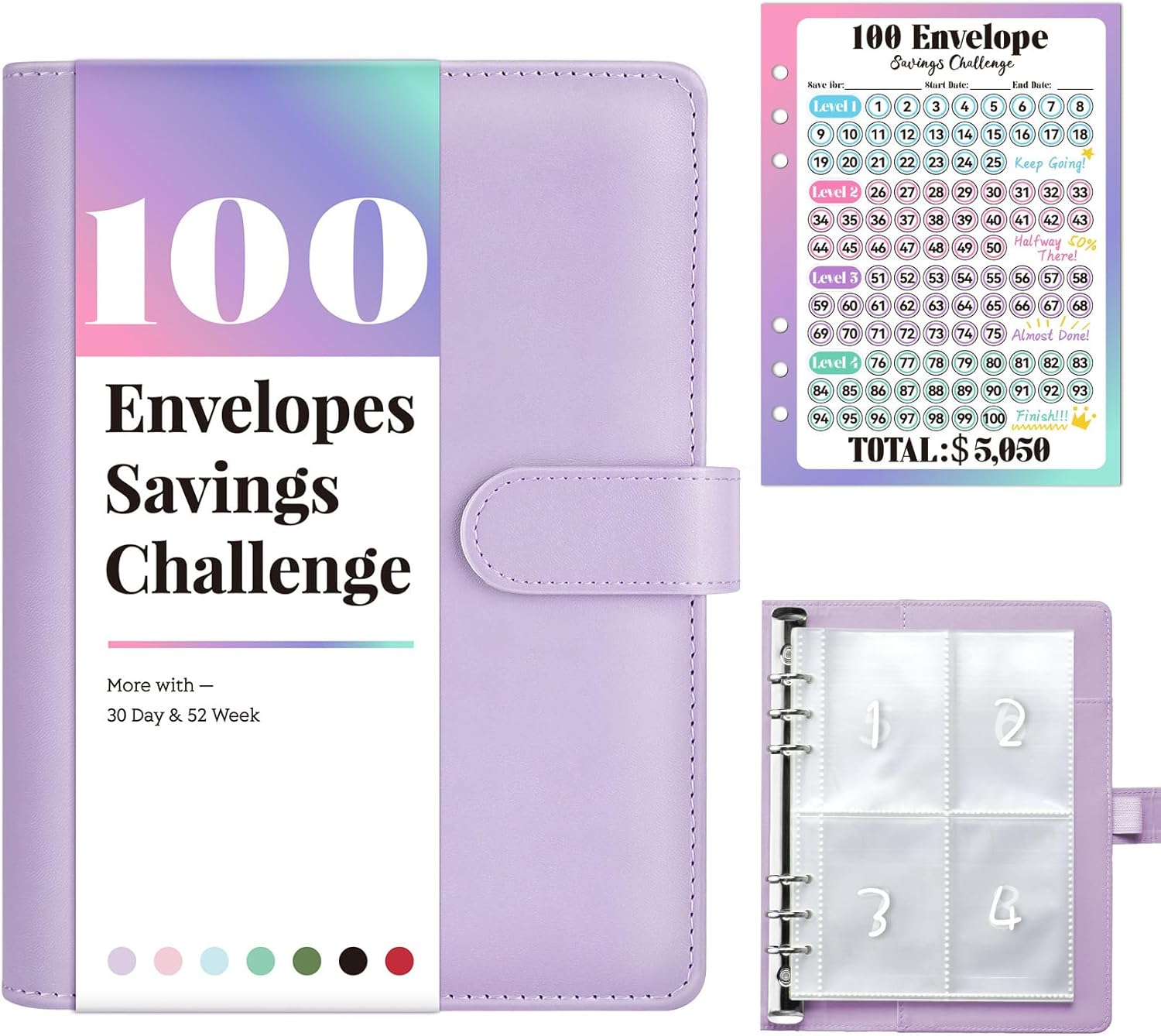
That $120 doesn’t just buy food. It buys awareness, discipline, and peace of mind. Try cash budgeting money saving binder.
Follow My Blog On Social






Related Posts


