
Disclosure: this is a compensated campaign in collaboration with Latina Bloggers Connect and MedImmune.
 photo credit: Nanagyei via photopin cc
I have given birth to three beautiful boys. Each pregnancy was filled with it’s highs, lows, constant prayers, worries and excitement. With each child, I went into labor at under 37 weeks. And each time I found myself in labor I worried about at the risks of being in labor 4 weeks before my due dates. We were lucky enough to be able to bring our newborn babies home a few days after birth, but not without complications later. My oldest was born with his small intestine not completely developed and it wasn’t until a few days later that his doctors where able to pin point it. My youngest had an underdeveloped pulmonary heart valve. After surgeries, my babies were home where they needed to be. Lots of parents everyday are not so lucky to bring their babies home, in fact 13 million babies are born prematurely and more than one million preemies have died just this year from the serious health challenges they face.
The current rate of premature babies in the United States is 12.2 percent—one of the highest rates of preterm birth in the world. Even more alarming is that the rates have risen by 36 percent over the last 25 years.
November 17th is World Prematurity Day be educated on the potential risks associated with preterm births. Save A Child From RSV
Are you part of the 75 percent of parents that don’t know the definition of prematurity?
Premature babies are classified as being born at or before 37 weeks gestation.
Prematurity disrupts a baby’s development in the womb and often stunts the growth of their most critical organs, preemies are susceptible to a variety of illnesses and infections, especially during the winter months.
RSV seasonal virus poses a serious threat to infants.
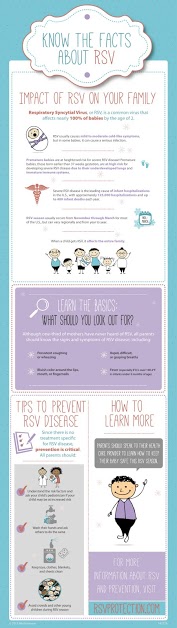
Respiratory syncytial virus (RSV) is a common seasonal virus, contracted by nearly all children by the age of two, and typically causes mild to moderate cold-like symptoms in healthy, full-term babies. Preterm infants, however, are born with undeveloped lungs and immature immune systems that put them at heightened risk for developing severe RSV disease, often requiring hospitalization.
RSV infection is more likely to root in premature lungs where developing airways are narrowed and especially fragile. Many parents aren’t educated on RSV, and one-third of mothers have never heard of the virus.
• RSV occurs in epidemics each year, typically from November through March, though it can vary by geography and year-to-year
• RSV disease is the leading cause of hospitalization for babies during their first year of life in the United States, with approximately 125,000 hospitalizations and up to 400 infant deaths each year
• RSV disease is responsible for one of every 13 pediatrician visits and one of every 38 trips to the ER in children under the age of five
Symptoms of Severe RSV Disease, when to visit your pediatrician.
• Persistent coughing or wheezing
• Bluish color around the mouth or fingernails
• Rapid, difficult, or gasping breaths
• Fever especially if it is over 100.4°F (rectal) in infants under 3 months of age]
Protect Your Baby From RSV?
RSV is very contagious and can be spread easily through touching, sneezing and coughing. Additionally, the virus can live on the skin and surfaces for hours. There is no treatment for RSV disease once it’s contracted, so prevention is critical. To help minimize the spread of RSV disease, all parents should:
• Wash their hands and ask others to do the same
• Keep toys, clothes, blanket and sheets clean
• Avoid crowds and other young children during RSV season
• Never let anyone smoke around your baby
• Steer clear of people who are sick or who have recently been sick
Visit the RSV Protection site for more information and save a child from RSV.






Related Posts


